Thursday, 3 March 2016

REFLECTION FOR THE FOURTH SUNDAY OF LENT

One of the great ancient Greek stories is that of Orestes. He was the son of Agamemnon, the King of Argos, an ancient Greek city. While Agamemnon is away at war, he sacrifices his oldest daughter to the gods in order to assure victory. After his return in triumph, the queen slaughters Agamemnon in his bathtub. She sends Orestes far away to prevent him taking revenge. The only child left is his daughter Elektra, nursing an unquenchable thirst to avenge her father’s death.

While all this has been happening, the gods have punished the city of Argos by allowing its inhabitants to be tormented by the Furies, bloodthirsty creatures with long teeth and nails. For fifteen years, the city suffers at their hands, until Orestes returns to avenge his father’s death. Helped by his crazy sister, he manages to kill Clytemnestra and her lover.

But at the end of it all, a strange thing happens. The Furies leave the citizens of Argos and attach themselves to Orestes. As he flees, he takes them with him, thus freeing the city from the terrible nightmare they have suffered. Orestes has finally liberated them from the curse they have suffered for so long.

It is a grim and bloodthirsty story of treachery and revenge. But it is also a story of fall and redemption. Yet despite the fact that we feel a need to see justice done, we are appalled to see it inflicted as revenge on a mother at the hands of her own son. Though Orestes is innocent of all the terrible deeds done by the others, and though he takes the suffering of the citizens on his own shoulders, we cannot help feeling that he has lost his innocence through the murder of his own mother. Even as the saviour of his people, Orestes is hardly like them in all things but sin.

Orestes certainly takes the sufferings and sins of his people on himself; but he does it by revenge and the shedding of blood. How different is our Saviour, the Lord Jesus, who takes away the sin of the world, “a man like us in all things but sin!” His means of redemption is not retribution, but forgiveness. “Father, forgive them, for they know not what they do” is his prayer, even as he hangs dying on the cross.

Orestes redeems his people by accident; his drawing off the Furies from Argos is a mere side-effect, the unintended consequence of his retribution. Jesus, from the beginning, has intended to redeem his people, and has done it by voluntarily taking their sins on himself, and of paying the price for their sins himself. Orestes achieves his unintended redemption of his people through a crime of blood. Jesus’ act of redemption is completely free of any such bloodletting; it is his own blood, rather than that of his enemies, which is shed. And he remains silent, like “a sheep dumb before its shearers, never opening its mouth,” rather than lift his hand or voice in the slightest way against those who were responsible for his suffering, and for whom he was suffering. He is truly the spotless “Lamb of God, who takes away the sins of the world.”
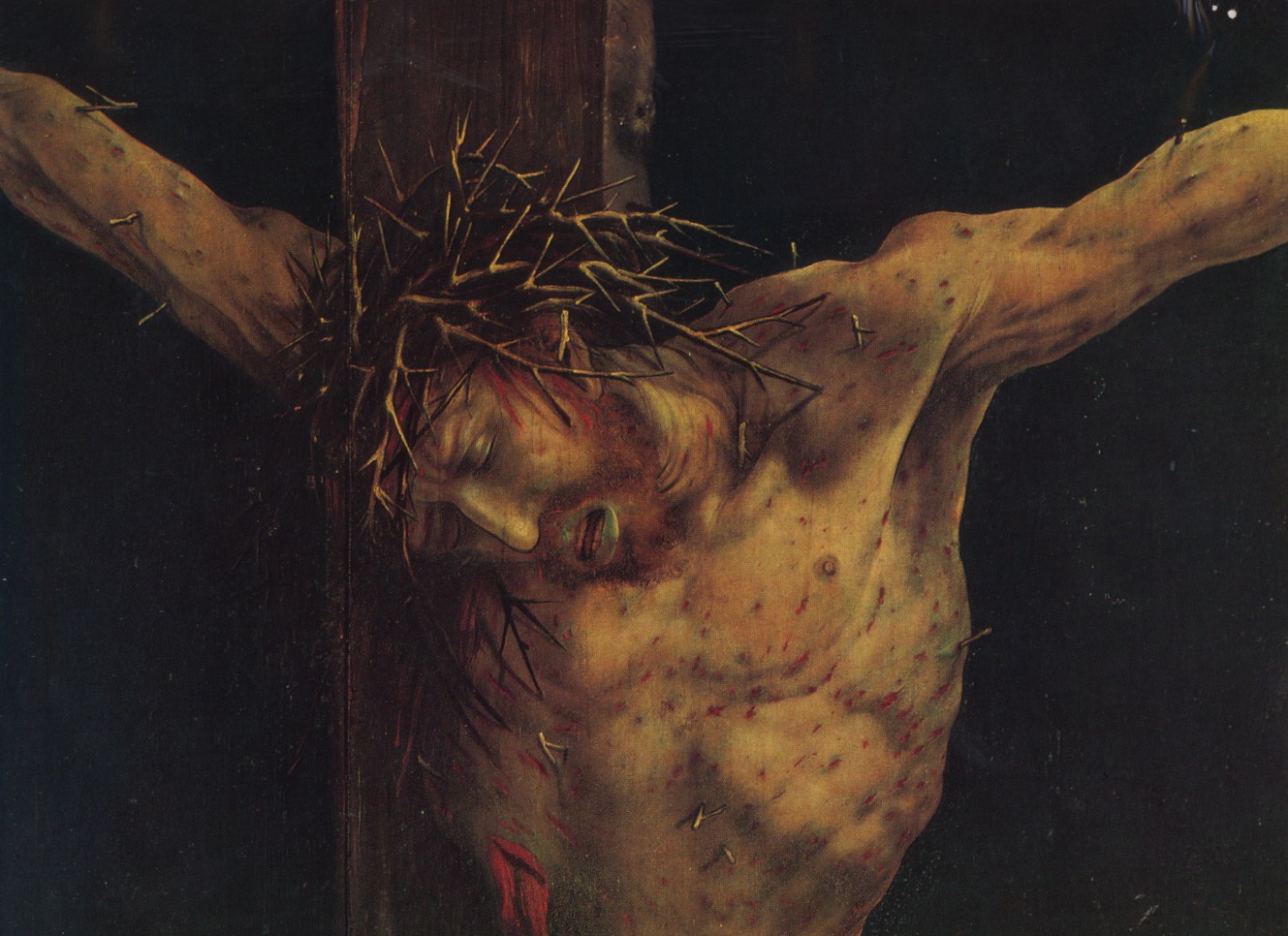
If we cannot see the uniqueness and the necessity of the salvation offered us by God through Jesus Christ, how will we ever convince others that they must believe in Him? In an age when, more than ever, people are coming to believe that “we’re all basically just the same” and that “there’s no real difference between religions; we all believe in the same God,” is it not more than ever incumbent upon us to show that we are not all the same, and that any other religion is indeed very different to redemption in Christ?

For there really is no other name by which we can be saved. And if we can only see it and believe it, we will become the instruments by which many others will come to believe in his name. 

Amen.

Fr. Phillip

Wednesday, 24 February 2016

REFLECTION FOR THE THIRD SUNDAY OF LENT

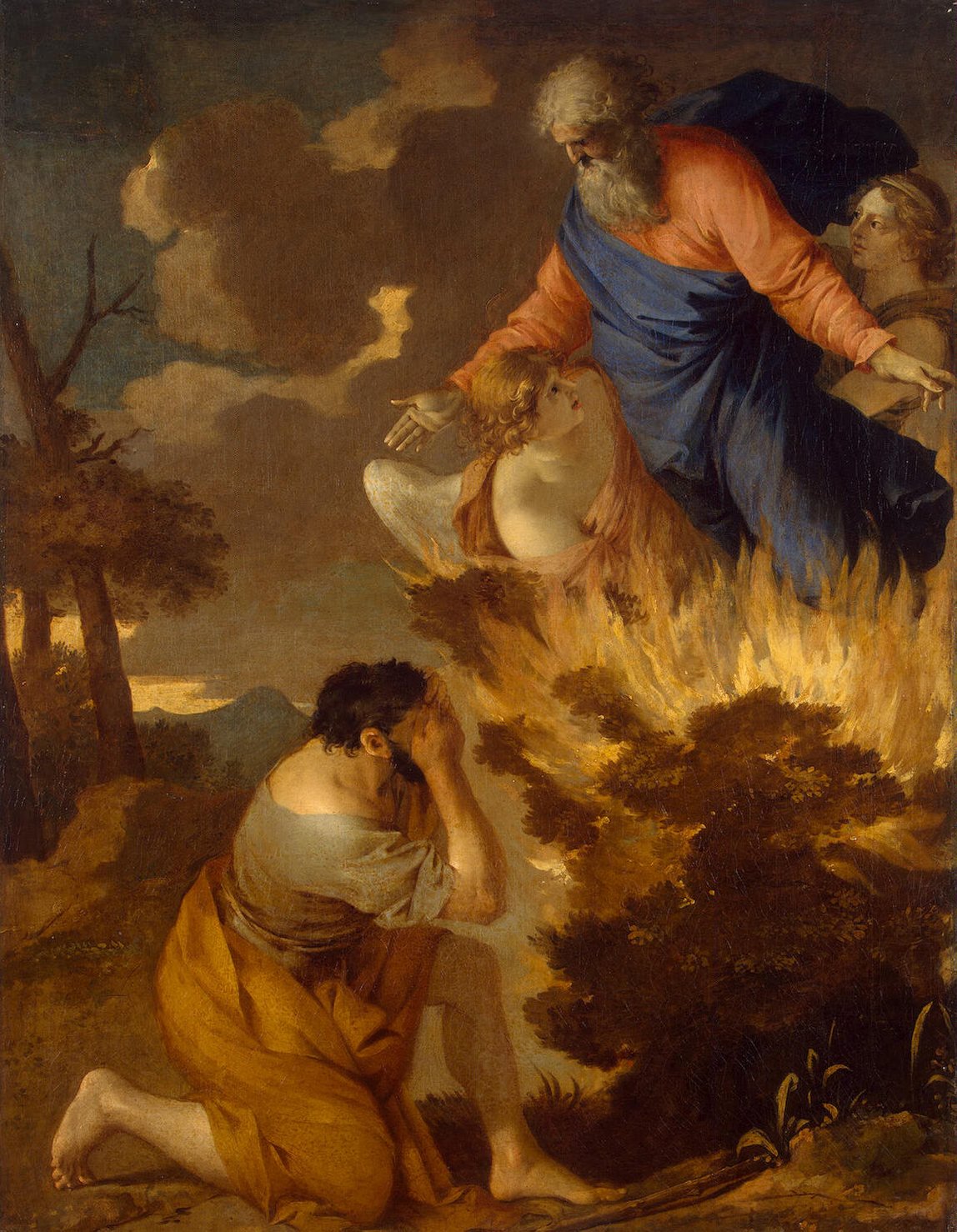
A scientist I once knew used to quote today’s First Reading as the scientific proof for the existence of God. The scientific method, he said, of observing a phenomenon and then investigating it was used by Moses here. He saw a bush burning without being consumed, and when he went to investigate it, he discovered God. My friend was joking, of course; yet there is some truth in what he said. The burning bush was a supernatural sign of God’s presence.

We are finite beings; limited, confined to one place and one time. God is limitless, in all places and beyond time. How does such a mighty Being meet us? He has to break into time, to meet us in history, so to speak. But when he does, extraordinary things happen. Therein lies the real mystery of the burning bush. As one modern hymn puts it, “We are a moment; you are eternal.”

How does such a God come to meet us? For it is certain that we could never go out to meet him. He comes to us as one like us. And he comes to us in the only way in which we can learn to know him. He does not just shine through the fabric of our history, as at the burning bush. In his fullest appearance to us, he actually enters into our history as one like us. The Lord Jesus is the ultimate reaching out of God to us to save us from the sinful mess into which we have plunged ourselves. We can not only learn to know God; in Jesus we can learn to love him, and with the same intense love with which we can love another human being. “He who has seen me has seen the Father…love one another just as I have loved you.”

We also encounter him in his self-sacrificing love as he dies on the cross. “Father, forgive them, they know not what they do.” And in those comforting words which were spoken to a criminal dying alongside him, the only person, as G.K. Chesterton tells us, to whom Jesus ever uttered them: “Truly, I tell you, today you will be with me in paradise.” Or the words he spoke to his disciples the night before he died: “A man has no greater love than to lay down his life for his friends. You are my friends if you do what I command you.”

Finally, we encounter him as the Risen Lord, who has destroyed death. Last week we saw him transfigured, revealing for an instant his heavenly glory. And through the glory of the Resurrection we see that his heavenly glory becomes something he wishes to share with us, for he has destroyed death and sin by dying for us to make it possible for us to share in that heavenly glory, in the everlasting life he has attained on our behalf.

God came amongst us in Jesus because it is the only way in which we could ever learn fully to know him. “There is no other name in heaven or on earth by which we can be saved” is how Peter puts it in the very first Christian sermon (Acts 2). Jesus needs to become a real, powerful, constant presence in our lives. As we relive the events of our salvation this Holy Week and Easter, may he become an ever more present reality in our lives and hearts.

Fr Phillip.

Friday, 19 February 2016

REFLECTION FOR THE SECOND SUNDAY OF LENT

The Transfiguration of the Lord is what is generally referred to as an epiphany, a moment in which the tremendous glory of God shines through into our human reality. In it, Jesus’ heavenly glory is closely linked with his suffering and death.

Strange, is it not, that the terrible suffering and death which Jesus was to pass through in Jerusalem, should be spoken of in the same breath as his glory. And yet it is true; in Jesus, glory and suffering become one and the same thing. Jesus is glorified on the cross. It is an act of self-emptying, of complete obedience to the Father.

Today, we too often think of glory as the human achievements of famous people. We speak of “fame and glory” when we think of Hollywood film stars in sparkling dresses with flowing blonde tresses, walking along red carpets on their way to the Oscars, fixed public smiles on their faces and adoring fans gushing from either side at the ropes while thousands of camera bulbs flash and light up the night. But it is only a step from this to the scandal-mag reports of drug and alcohol abuse, messy divorces and wild self-indulgence. Fame it may be, but glory it is not.

Glory is something quite the opposite; it is the light of God’s holiness, unbearable to sinful human beings. It is a promise and pledge of the eternal future which can be ours if we seek the holiness of God with all our hearts. And it is linked with suffering because only the death and Resurrection of Jesus can open the way to glory for us. If sin is not dealt with, we remain excluded from God’s glory precisely because in our sinful state it is unbearable to us. When he sent his Son to die for us, God decided to pay the price of sin which we could not afford, in order that we might share in his glory.

What a far cry this holiness, the blaze of God’s unmediated and sinless presence is from the cheap, tinselly glory of earthly powers! CS Lewis once described the delights of the world as being “…as the half-nauseous attractions of a raddled harlot would seem to a man who hears that his true beloved whom he has loved all his life and whom he had believed to be dead is alive and even now at his door.” What an expression of the reality of heavenly glory over and against that of the world!

Jesus wants us to share in that glory. And if we really want him, then the pains of purification will not deter us. We will welcome then, to quote Dorothy Sayers, as a sick man welcomes the healing pains of surgery. The vision of the transfigured Jesus in today’s gospel is a pledge of hope, a small sign that the glory of heaven is real. We should follow that hope with all that is within us, and should allow nothing, not even the difficult process of purification from sin, to deter us from achieving it.

Fr Phillip.

Saturday, 13 February 2016

REFLECTION FOR THE FIRST SUNDAY OF LENT

Today we focus on the temptations of Jesus in the wilderness. Jesus was fully human, and therefore subject to all the temptations that humans are. The difference lies in the way he handled them.

He is tempted to turn stones into bread, to satisfy the hunger of his long fast. To use his miraculous powers for his own personal benefit. He refuses. So are we called to use the gifts God has given us for spreading his good news, not just for personal satisfaction. Like Jesus, our special gifts are for the service of God and others.

He is asked to bow down and worship Satan – just once – for the possession of the whole world. Satan is the prince of the world, so it seems this is within his power. But Jesus knows that God’s kingdom cannot be built on a compromise with evil, even a small evil. We, too, cannot do evil that good may come of it. In the end, the foundations of our efforts are rotten, and they will crumble.  We can never compromise with evil; we are set on this world to follow good and avoid evil.

Satan tempts Jesus to use his privileged position with God by throwing himself off the Temple walls, knowing the angels will rescue him. This is the temptation to take the easy and superficial way to win followers. But Jesus is called to win followers by suffering and dying for their sins. To take the easy way means that he will not die, and that our sins will not be forgiven. We, too, must follow what God has called us to, no matter what. It is the only path to eternal life with him.

So, like Jesus, we are tempted. And like Jesus, we must resist temptation. This is what we are called to, and this is one of the special graces of Lent. Through our fasting, almsgiving and prayer, God works within us to overcome temptation, to achieve within ourselves the victory of Christ over the devil. May this be your achievement during this blessed and holy season of Lent 2016.

Fr Phillip

Friday, 5 February 2016

REFLECTION FOR THE FIFTH SUNDAY OF ORDINARY TIME

The world today, more than ever, likes to speaks of love. We all know the old cliché “It’s love that makes the world go round”. But it doesn’t take much watching for one to come to the conclusion that by “love,” the modern world really means “sex” and all the short-lived, superficial passions that accompany it in contemporary relationships.

What can we say of human love? Broadly, three things. First. that human love loves only what is lovable. Today, it is striking just how often lovability is reserved for the young, good-looking or wealthy. We humans all seem to find these things particularly attractive. Pity the poor, ugly, elderly person! And yet, are people in the “unlovable” categories any the less in need of love, or any less deserving of it, for that matter, than the rest of the world? Second, human love loves in order to possess. Having fixed our desire upon something or someone, we go all out to possess the object of our desire and to share it with no-one. Human beings can be driven frantic with the jealous fear that the object of their affections might be sharing that affection with someone else. There is very little that human beings will not stoop to in their desire to possess the object of their desire. We love in order to enslave. Third, and most important, human love is a highly perishable commodity. Have enslaved the object of desire, human beings tend to drain the life out of it, and quite often to cast it aside in favour of another, fresh object of passion.  Worst of all, our love does not readily forgive slights, hurts or infidelities. Intense passions burn to cold cinders, or at the very worst they turn into their opposites, as can be seen in the vengeful and messy end to which countless human relationships have come. Great literature and folklore is full of people who have killed for love.

St Francis of Assisi Embracing the Crucified Christ
Murillo
All said and done, human love is a pretty poor, feeble and sorry emotion. How different is the Love of God from the love of man! First, the love of God does not only love what is loveable. It simply loves. In fact, the love of God does the exact opposite of human love in this regard; where we take what is loveable and drain it dry, God can take what is ugly, empty, even hateful, and pour his love into it, so that it becomes loveable. Secondly, the Love of God does not set out to enslave; it is the love of God above all else that sets us free. God knows that the only love worth having is that which is freely given. God, therefore, sets us free of all obligation, taking the risk that we may love someone or something other than Him. Lastly, the love of God does not come to an end. Despite the wickedness, insults, treachery, scorn and even hatred heaped upon him, God continues to love us. When God’s Son hung dying on a cross, the people for whom he was dying stood at the foot of his cross, ridiculing him, mocking him, despising him. Yet he continued to the death, overflowing with love for them. That was the love that ultimately has changed the hard hearts of millions, and continues to change them still.

If you ever wondered what was wrong with the world, think of that figure on the cross, selfless, dying to set us free, giving us a love that rescues us from our ugliness and hatefulness – yes, rescues even the young, the beautiful and the rich – and makes us truly beautiful and lovable. Is even a choice as to which kind of love the world needs? Let us bring to our lives the everlasting hope and salvation offered only by the Love of God. In a word, let us submit our lives, our hope our all, to the God of Love.

Fr Phillip.

Wednesday, 27 January 2016

REFLECTION ON THE THIRD SUNDAY OF ORDINARY TIME

It is a common feature of our human existence that, when we are ill or injured, we suffer as entire human beings. I might break a leg and say just that to those around me. But the fact is that as a whole person, I suffer from the injured leg. The exhaustion that pain brings, affects me in my entirety. The side-effects of medication affect me as a whole. I cannot isolate the affected part of my body and let the rest get on as though nothing has happened. It has a function that the others cannot assume. My broken leg, for example, affects the way I walk. I cannot drive, I cannot climb stairs. I cannot kick a ball or dance. My entire existence is coloured by the malfunction of that one broken leg.

In his first letter to the Corinthians, Paul uses the analogy of the human body to describe the Church of Jesus Christ. The Church is not simply a group of people with common beliefs. We are bound together in a close unity; we are a single entity. No-one thinks of a human family as a group of adults and children who just happen to occupy the same house. A family of parents and children think of themselves as a single entity, and that is how we live, especially when the children are still young. When a child is seriously ill, it is the parents who agonise, who sit up during sleepless nights looking after the child until the danger has passed. As children, when a brother or sister is lost, we worry and cry until the missing child has been found. On the other hand, when someone who has been injured emerges healed from hospital, when a child celebrates a birthday or wins a prize, we all rejoice together.

The Church, as Paul teaches, is even closer. We are all brothers and sisters of the Lord Jesus and as such, sons and daughters of God. We are bound together more closely than any human body, more intimately than any human family. We are in fact a world-wide family, drawn from every nation, language, culture, people. We really are brothers and sisters in Christ, sons and daughters of God the Father. We all share in each other’s sufferings and joys. When a child in a family is sick, the mother pays more attention to that child, not because she loves him more, but because at that particular moment he has a greater need of her love. It is the same with members of the Church. We cannot allow ourselves to remain unaffected by the suffering of our brothers and sisters in famine and war.

This idea of mutual concern and love is a central concern of Pope Francis, an integral part of his message. Indeed, it is a central part of the message of Jesus Christ: “Love one another, just as I have loved you…whatsoever you do to the least of my brothers you do unto me.” It is not a social, economic or political message, nor must it ever be allowed to be reduced to one or more of these. It is both simpler and more profound: that, as John puts it, “God is love,” and that the opposite of love is not hate, but indifference. We can never be indifferent to the needs of our brothers and sisters in Christ and still claim to love and serve God. Like a father – for God is Our Father – we must care for and love each other as he cares for and loves us, “…so much that he gave his only-begotten Son.” There are many needs in the Church today; let us all respond to them with love, with prayer, with care and generosity, to the fullness of our ability to do so.

Fr Phillip.

Monday, 18 January 2016

REFLECTION FOR THE SECOND SUNDAY OF ORDINARY TIME

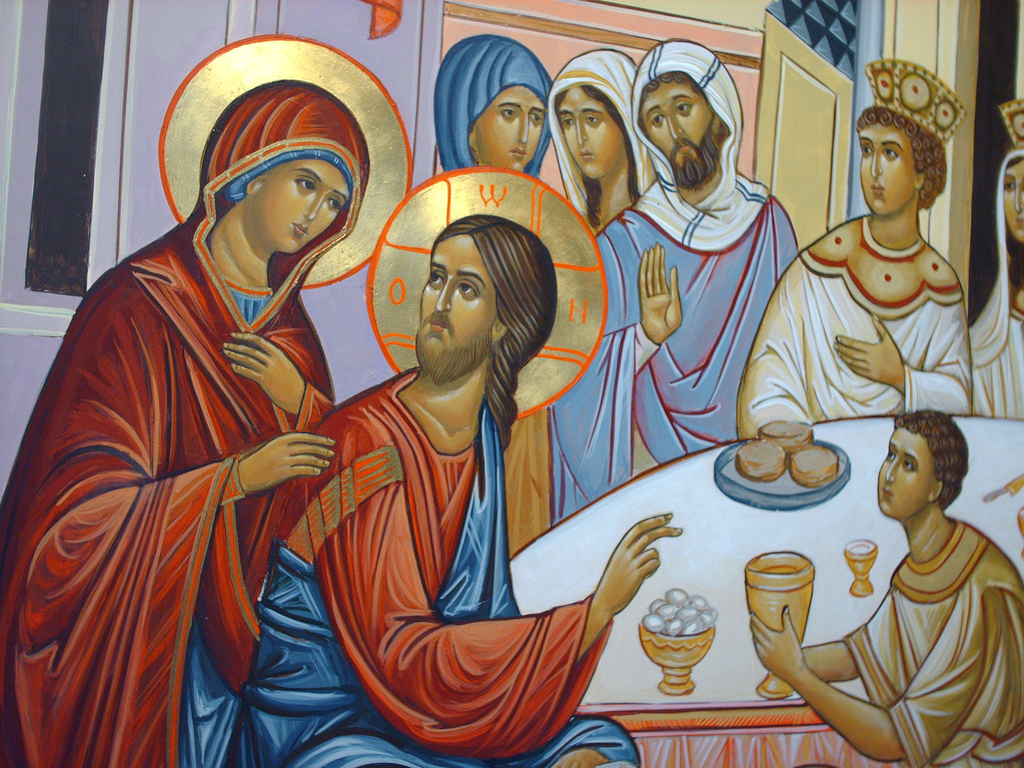
Today’s Scripture readings gather together several close images from scripture: marriage, joy, wine and the Spirit. The presence of God’s Spirit is always associated with joy. A wedding feast is an occasion of joy, and an essential element of the joyfulness at Biblical wedding feasts is wine. We see the near panic that sets in at Cana when the steward discovers that the wine is running out, and the relief when this turns out not to be so. We see the expressions of joy and love that are expressed on such occasions, too: “As the bridegroom rejoices over the bride, so will your God rejoice over you.” In the Book of Revelation, the coming of the New Jerusalem, the establishment of the eternal home of God’s people is described in these terms: “The marriage-feast of the Lamb has come, and the Bride has made herself ready…the Spirit and the Bride say “Come!”

There is something very touching about a wedding: the young groom standing in the aisle, waiting radiantly to receive his bride as she approaches; the smiles and easy laughter as people recall that day in their own lives. And, of course, the wine that flows and makes the simplest of remarks amusing. Such is the joy which flows from such an occasion that even the time worn old jokes, without which no wedding is complete, are received with good will and humour. Whether it is the drinks that draw uncle Bertie or not, the joy and the jokes still seem him at his best, his most humourous.

God saw his people of the Old Covenant, Israel, as his bride. He sees his new people, the Church, as a bride. And always the image is one of joy and gladness. But the core of Christian joy is, of course, the outpouring of God’s Spirit. It is a joy that not even adversity can overcome. “For even if the fields stand empty of grain and the barns stand empty of cattle, yet I will rejoice in the Lord,” says the prophet Habakkuk”. It is God who brings us through those terrible times; it is still God who causes rain to fall. The same God who turned the disaster if the wedding feast into joy by serving the best wine last will bring rain to our troubled country, and turn desperation into joy. Keep on asking God to intercede for an end to our current drought!

Fr Phillip.

REFLECTION FOR THE BAPTISM OF THE LORD

To understand the meaning of the waters of baptism in scripture, we must for a moment forget our modern mental picture of a baptism; the pouring of water over the baby’s forehead, the parents and godparents looking on lovingly. Water for the Hebrews was a symbol of great violence and destruction. They lived in dry places, in which rainstorms deluged everything. They said, “Water can put out fire, but who can stop a flood?” Imagine being washed away by a flood in the darkness of night in the days before modern lighting.

Before the Creation, there was darkness, surging water everywhere. Water equalled chaos for the Hebrews. But in the beginning, “the Spirit of God hovered over the waters.” Through the Spirit, God separates land from sea. Out of chaos and lifelessness, God creates life by rolling back the power of the waters. There is also the great Flood. God uses the destructive power of water to wash away the sin of the world, and at the same time to save those in the Ark; Noah, his family and the animals. The first sign of God’s relenting is the return of the dove, bearing an olive twig in its beak. When the Israelites crossed the Red Sea, from slavery to freedom, water was the instrument of both the destruction of God’s enemy, and the salvation of those whom he loved. Lastly, there is Joshua’s damming up of the river Jordan, which allowed the Israelites to cross over into the land that God had promised them.

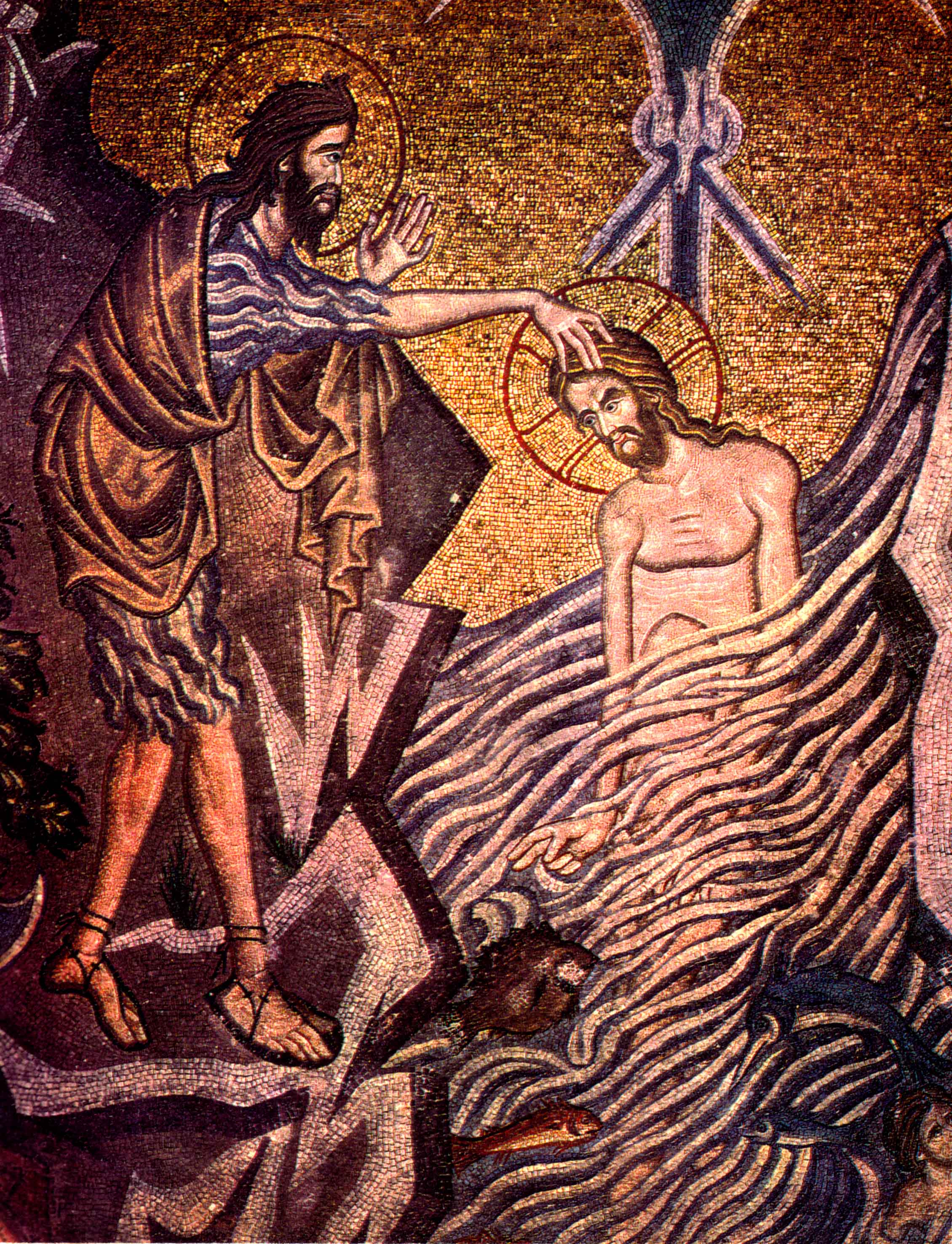
All this is behind Jesus’ going down into the waters of the Jordan to be baptised. Out of the waters Jesus emerges, bringing new life and a new creation, just as in the beginning, God brought life out of the watery chaos when he created the heavens and the earth. The waters which Jesus makes holy through his baptism, are a Flood of tremendous force that destroys sin and gives eternal life to the one who is baptised. By passing through the waters of baptism, Jesus re-enacts the passage through the Red Sea, a passage from the slavery of sin, to freedom. Baptism becomes for the Christian a new Crossing of the Red Sea, a passing from death to life, while the might of the evil one is destroyed in those same waters. And Jesus crosses the Jordan in the same way as the Israelites entered the Promised Land for the first time. He comes to the Promised Land, to the Chosen People, to bring them the Good News of their salvation. But whereas Joshua brought the Israelites to their promised land, Jesus, “the Way, the Truth and the Life,” brings the Promised Land, heaven, to them.

In the waters of baptism, the Holy Spirit has surged through us like a torrent, blasting away the stain of sin, restoring us to lost innocence and new birth in Christ, whose image has been indelibly imprinted upon us. As we contemplate today his Baptism in the Jordan, may he be at work within the hearts of each one of us; and may he bring that image of himself to fullness within each one of us. To him be glory for ever and ever. 

Amen.


Fr. Phillip

Sunday, 27 December 2015

REFLECTION FOR THE HOLY FAMILY

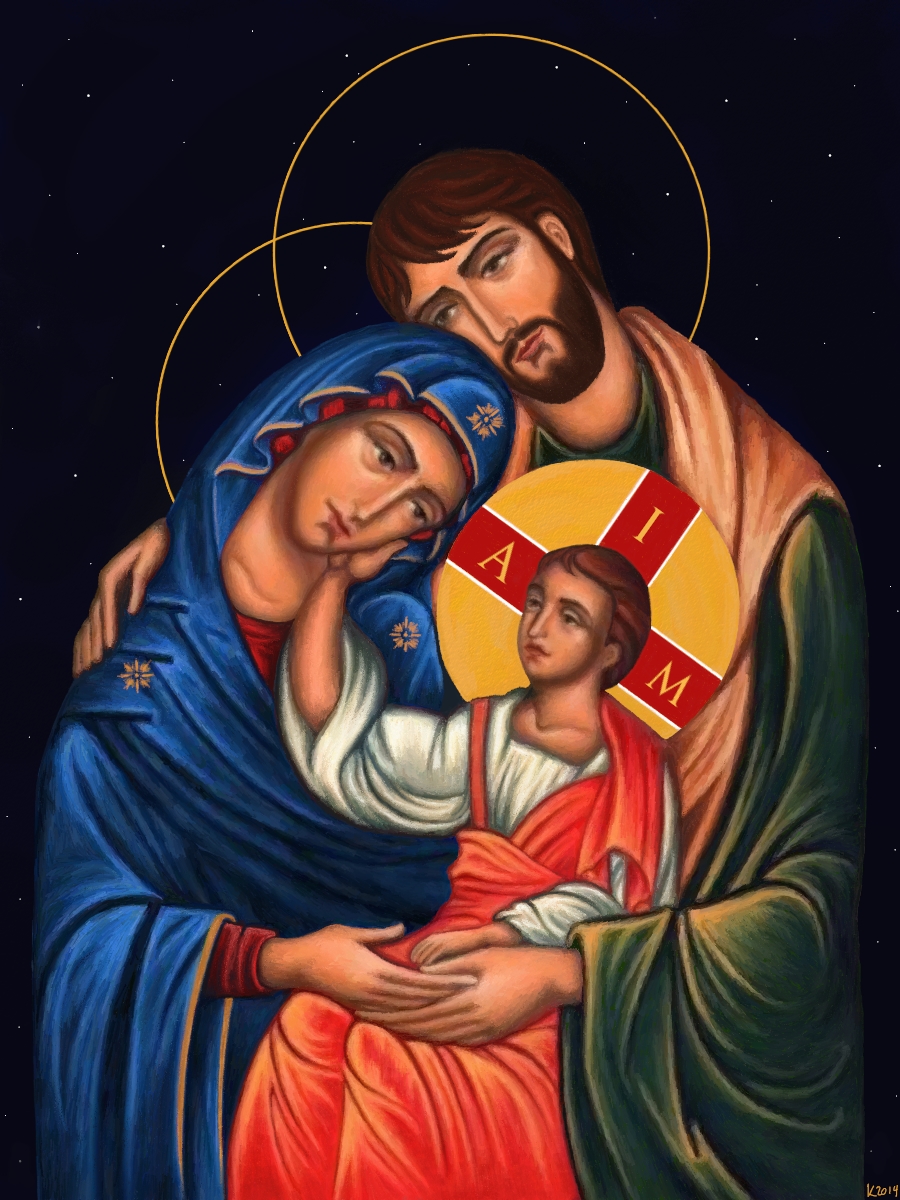
Traditionally, the Sunday which falls within the week of Christmas is given over to contemplating the mystery of the Holy Family of Nazareth; Jesus, Mary and Joseph. It is as though, the excitement of the birth of Jesus, the dramatic signs of star and angels surrounding it, the visits of the shepherds and Magi accomplished, we see, for the first time, this little family group, alone together at last. And these three unpretentious, humble people, quietly going about their God-given tasks, have affected and moved more people than perhaps any other family in history. For that which binds them together is not the ties of flesh, blood or emotions; the bonds by which they are indissolubly bound together, are those of Faith, Hope and Love.

It was through faith that Mary was able to accept God’s plan for her. It was through faith that Joseph was able to accept the very difficult role that God had marked out for him as Mary’s husband, foster-father to God’s Son. It was through faith, that gift of God which enables us to believe in him and to know him, that God became a powerful, living presence in their lives in the form of Jesus Christ, the Word made Flesh.

But it was in the first place through love that Christ Jesus even came among us. For “God so loved the world, that he sent his only-begotten Son, that whosoever believeth in Him shall not perish, but have everlasting life”. Into a world where human beings are driven apart by their own evil, God sent his only Son as a sacrifice of love, to bind us together, to heal us. “God is love, and he who abides in love, abides in God.” It is faith and love which bound Jesus, Mary and Joseph together into that indissoluble unity we know as the Holy Family of Nazareth, an image of unity, love and peace which offers hope to a broken world.

This is a life-giving message to all human families. It is not ties of flesh and blood that make for love, unity and peace, but faith and love. Christian marriage is itself a sacrament, and is meant to be lived within the love and faith which come from God alone as gifts to us. A Christian family, bound together in faith and love, is a powerful sign of hope.

But the greatest sign of hope for the world that God has given is his Church. For it is through that same faith and love that he brings together human beings “out of every tribe and tongue”, and makes of us one human family. In Christ there is “no Jew or Greek, male or female, slave or freedman”.
The only hope that the world has for unity, peace and love, is the healing presence of Christ among us, within us. And it is only through faith that Christ is born amongst us; it is  only when he is born amongst us that he can heal us, redeem us by his love; and only in redemption through his love that there is any hope for the world.

May God bless you on this feast of the Holy Family of Nazareth. Through your surrender to God in faith and love, may the Lord Jesus be born in the hearts and midst of each family here, and may he bring to each joy, unity and peace. And may he bind us all together in the unity of his own Family, the Church, that we might love and bless one another, and that through our own love and unity, the world might come to know and love him, who alone is our hope and our salvation.

Fr Phillip

REFLECTION FOR CHRISTMAS

In 2003, the British Sunday Telegraph published the following Christmas editorial. The Telegraph was reacting to two things;

1) The media-hype surrounding the pop-singer Madonna, as she arrived in Britain for her wedding, and the baptism of her “love child”;

2) The increasing attempts of secular society to stop Christians celebrating Christmas as a religious event, on the grounds that it gives offence to non-Christians especially in Britain and the Unites States.


Last week’s pages were dominated by pictures of a mother, a father and a babe in arms. We may be repelled by the global glitz that surrounds this celebrity christening and wedding. Yet the universal, primeval appeal of the image calls to mind another family, in another time and another place. When the Madonna arrived in Bethlehem 2 000 years ago, heavily pregnant, accompanied only by her husband, Joseph, there were no television cameras, no paparazzi, no reporters. Indeed, the principal witness, whose memories are preserved in the gospel accounts, must have been the mother herself. The words of St. Luke — reveal the evangelists’ human source: “But Mary kept all those sayings, and pondered them in her heart.”

Partly because of the lack of witnesses, the precise factual basis of the Nativity always has been and doubtless will always be a matter for scholarly controversy. It is, however, beyond dispute that the birth of Jesus Christ was an event that took place at a particular point in time. Had The Daily Telegraph existed then, we might have reported the whole extraordinary story. Christianity, unlike some religions, is rooted in history; and the Incarnation, unlike some Christian doctrines, stands or falls on its historicity. We can gain an inkling of the Incarnation only if we approach it as Mary did, with humility and love. Even St. John’s account of how “the Word was made flesh”, sublime as it is, serves only to remind humanity of how intellectually unequal we are to this mystery: “And the light shines in darkness, and darkness comprehended it not… He was in the world, and the world by him was made, and the world knew him not.” At a time when genetic science and technology seem to have given mankind power over life and death, it is worth reminding ourselves that God chose to demonstrate his infinitely greater power in the person of a little child. Ours is the illusion of omnipotence; His is the unassuming reality.


For many people, including some Christians, the Incarnation has been, in St. Paul’s words, a stumbling block. How is it possible, they ask, for the divine to become human, for the eternal to become temporal? It is this rupture in the seamless continuum of time that marks out Christianity from the other biblical religions, and has inspired meditations ever since the first Christmas. On Boxing Day, 1945,  C.S. Lewis replied to a query from his oldest friend, Arthur Greeves: “Something new really did happen at Bethlehem: not an interpretation but an event. God became Man…all time and all events in it, if we could see them at once and fully understand them, are a definition or a diagram of what God really is.”

Lewis contrasted Pythagoras, whose theorem has always been true even before he discovered it, with the Incarnation, which was far more than “a change in our knowledge”: “Though the union of God and Man in Christ is a timeless fact, in 50BC we hadn’t yet got to that bit of time in which it actually happened.”

Lewis’s was but one of countless attempts to express what cannot be expressed. Yet if we had to define the meaning of Christmas in order to celebrate it, then it would hardly be the most popular of festivals. What gives the story of the Nativity its own timeless allure is its tangible, concrete, visual reality. The manger, the shepherds, the wise men: all speak to us across the ages, in the angel’s words: “Glory to God on high, and peace on the earth: and unto men, rejoicing.”
[South Africans, like] the British, [from whose Sunday Telegraph this article is taken], have always rejoiced at Christmas, whether religious or not. Puritanical attempts to abolish Christmas have always foundered on our capacity to rejoice. There is nothing wrong (other than blandness) with secular formulations such as “Happy Holiday” or “Season’s Greetings”, but to impose them on Christians in the name of good manners [and “tolerance”] is gratuitous. It should not be offensive to those of other faiths, or those who have none, to be wished a Merry Christmas. That, indeed, is what we wish all our readers: a Merry Christmas and a Happy New Year.

From the Editorial pages of the British newspaper The Daily Telegraph.

Friday, 18 December 2015

REFLECTION FOR THE FOURTH SUNDAY OF ADVENT

The person who visits the modern city of Athens for the first time can expect a serious disappointment. Gone is the classical city of marble columns and temples, of white-robed philosophers and sculptors. Gone is the ancient cradle of civilisation, the home of all that we value most in our heritage. In its place is a great, noisy, dirty city, crammed with people, clogged with traffic. 

But there is one solitary sign of the glory which once was Athens. In its very centre, perched high on a flat-topped hill, the Acropolis, stands a magnificent Greek temple, a great structure of marble columns and friezes of perfect proportions and elegance. Alone amongst the unsightly modern sprawl, it is a reminder of the place of beauty, culture and learning which Athens once was. That building is the Parthenon. Its name comes from the Greek word for virgin, and amidst the ugliness in which it stands, it has lost none of its ancient beauty. It stands for all the world to see, a reminder of what Athens once was, and what it has long since lost.

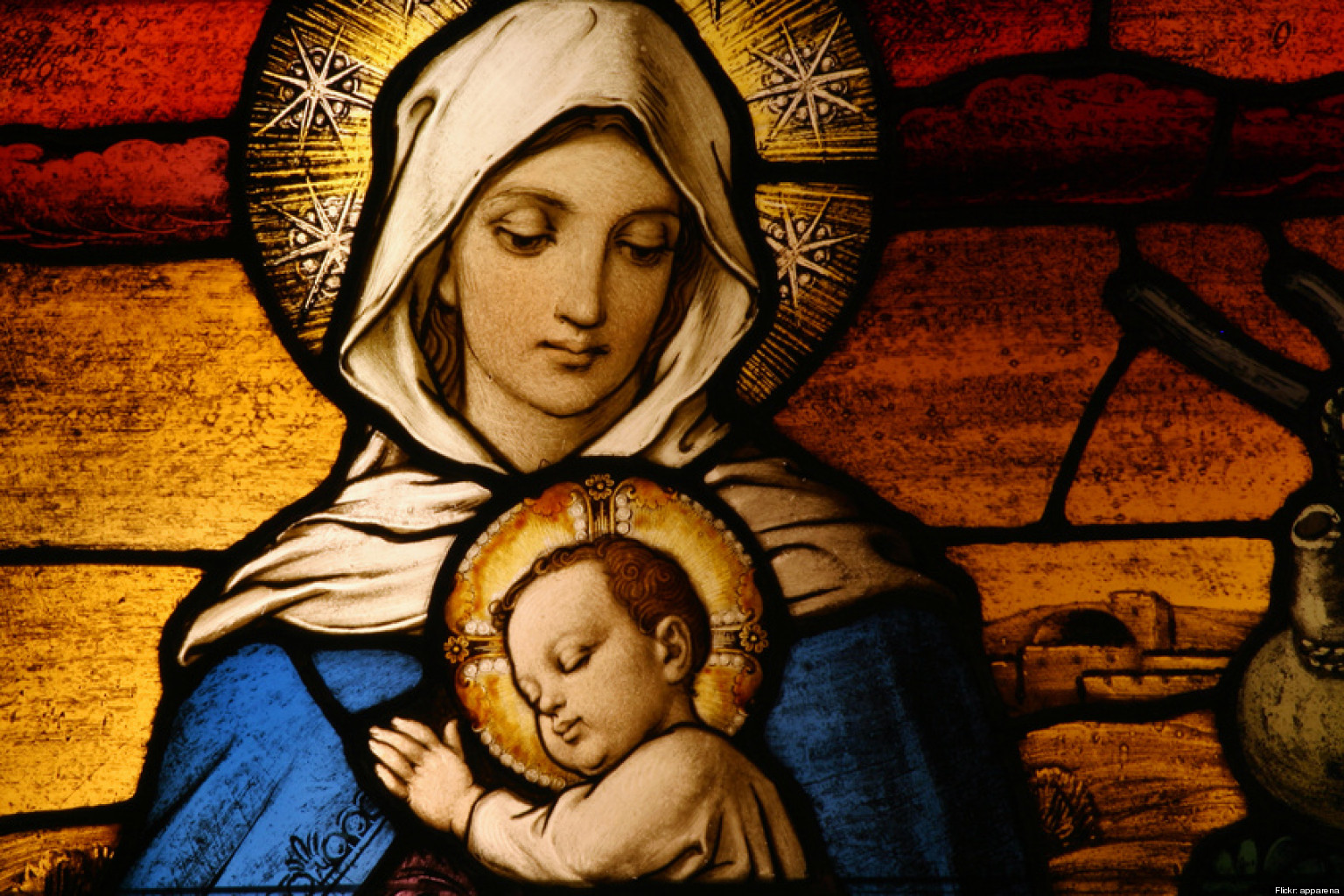
In today's gospel we encounter the word “parthenos” as we read: “In the sixth month, the angel Gabriel was sent by God to Nazareth, to a virgin...and the name of the virgin was Mary.” Like the Parthenon in Athens, Mary stood out in God's eyes above the broken wreckage of humanity, created once in the His image but marred and disfigured by sin. Because God reckoned her to be worthy, she was found to be in a relationship of grace with him. “Rejoice, you who have been filled with grace, the Lord is with you,” says the angel Gabriel to her, and “You have found grace before God.” 

Twice in quick succession Mary is referred to as being in a relationship of grace with God. God has found made her worthy for the most important task to which he has ever called a human being; to be the bearer of his only begotten Son. And she is to do this so that God can send a Saviour into the world, Jesus, whose very name means “Saviour.”

It would be easy to see the grace of the mother of Jesus in terms of itself; that is, to see her simply as a spotless human being, without any reference to God. We could then speak on endlessly about her physical beauty – inasmuch as we could, for we know nothing of her looks – her moral purity, and so on. We could make her the focus of our attention. And in doing so, we would miss the point almost entirely. For the key to Mary's grace in God's eyes lies in her faithfulness and in obedience to his will.

Her two best known statements, preserved for us in Scripture, make this clear. “I am the handmaid of the Lord. Let whatever will, happen to me according to his word.” Mary chooses to see herself as a slave before her master, bound to God who has the power of life and death over her. Confronted with a demand that must have taken her breath away, her only concern is to be utterly obedient to God's will. She was also faithful to God in his call to bear witness to all that he does and is. This we see in her other recorded statement, made at the wedding at Cana, when she tells the servants to “Do whatever He tells you.” Here, she draws attention away from herself and towards Jesus, who then works the first of his miraculous signs. 

Total obedience to God, and pointing the way towards Jesus, his Son; these are the greatest things that can be asked of us. Mary is the perfect example of how we should attain this. As we conclude our Advent preparations and look forward to the joyful season of Christmas, may she be an inspiration to us to do whatever God tells us.

Fr Phillip.

Tuesday, 15 December 2015

REFLECTION FOR THE THIRD SUNDAY OF ADVENT

As Christmas approaches, we prepare to receive into our midst the Prince of Peace, the infant Jesus the Lord. And he is preceded by John the Baptist, who proclaims his coming. 

The prophet Malachi, last prophet of the Old Testament, proclaims the coming of the great prophet of the New Testament, John the Baptist in striking terms. “See,” he says “I shall send my messenger to clear a way before me.” And then, in words which give us a dramatic perspective on the Presentation of the infant Jesus he says, “And suddenly the Lord you are seeking will come to his Temple.”
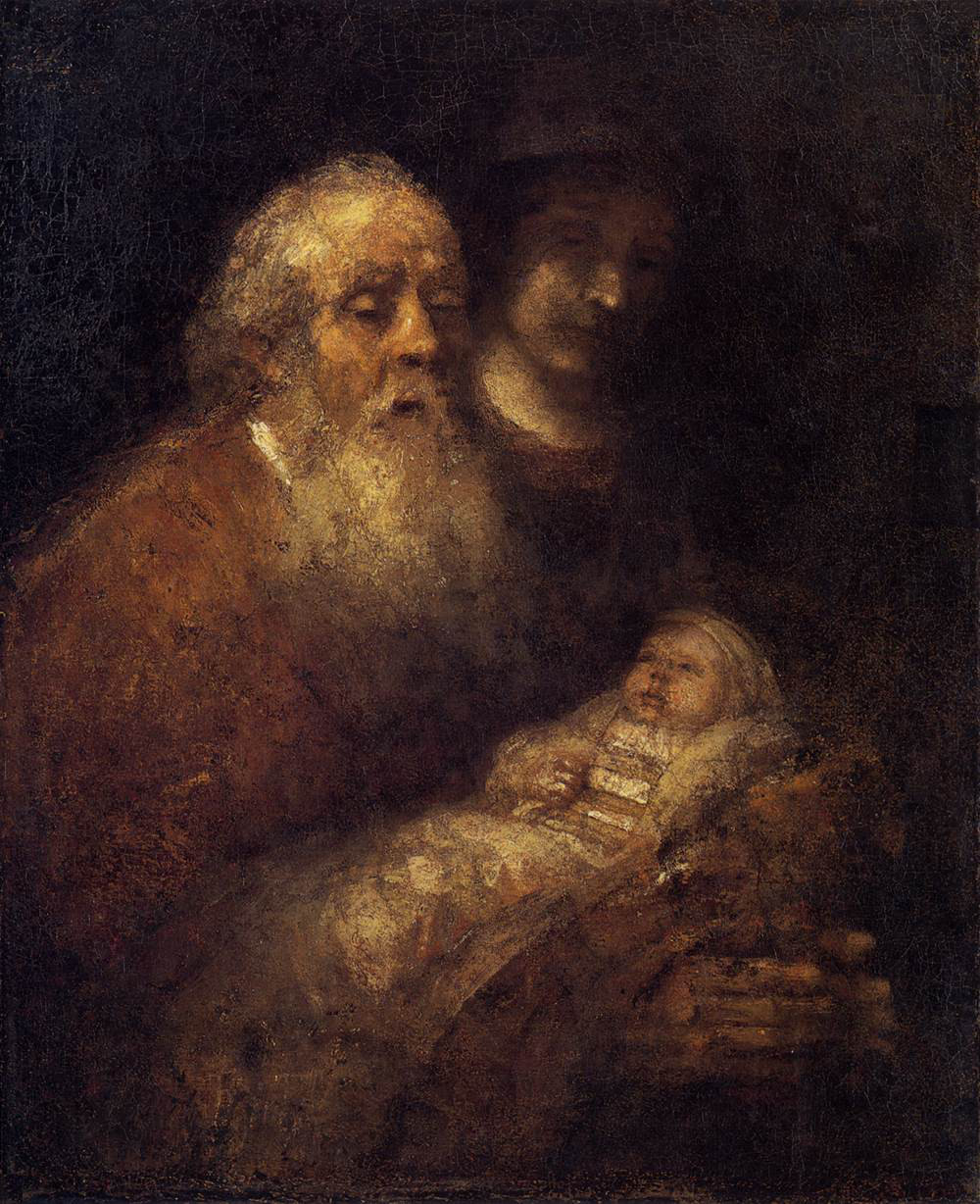
That is exactly how it happens. The infant Jesus appears in the Temple, lying in his mother’s arms, the very image of gentleness and peace. And out of the massive crowd in the Temple, old Simeon finds him and recognises him as the Messiah.

But Malachi’s next words turn this gentle, peaceful image on its head. “Who will be able to resist the day of his coming? For he will be like a refiner’s fire, like the fuller’s alkali. And he will purify the sons of Levi, and refine them like gold and silver.” These images are quite different. The purification of noble metals with the blazing heat of a furnace; the washing white of stained cloth with powerful bleaches. Hardly the sorts of images we associate with the gentle scene at the manger, or for that matter of the infant Jesus lying peacefully in his mother’s arms! They remind us more of Jesus driving the moneychangers and sellers of animals out of the Temple, or coming to judge us at the end of time.
But they bring home to us the wonderful truth behind the manger; because it is these images that bring real hope to our fallen world. In the war-torn world today, it is peace for which we most long. We have United Nations and peace-keeping forces and peace missions and so many other attempts to bring peace to our world. But the wars go on. How many wars are being fought even as we prepare to celebrate the birth of the Prince of Peace?

God wants us to struggle constantly to bring about and maintain peace. But peace, unlike war, does not “break out,” as some people like to say. It is a precious, hard fought commodity, difficult to attain, even more difficult to keep. There will never be a definitive solution to the wars between nations, or within nations, or between people, until we have accepted the solution of the Prince of Peace, until it has become a reality in the hearts of the human race: “And he shall purify the sons of Levi.”

Until we have turned back to God, until he has, “like the refiner’s fire and the fuller’s alkali”, purified the sin from our hearts that sets us at war against each other, there will never be true peace on earth. All through Advent we are called to “repent, for the kingdom of God is at hand,” to “prepare”, in our hearts, “a way for the Lord.” In Christmas we celebrate the birth of that hope amongst us, that living hope who died for us, that we might be purified.

Yes, if only we long for it with all our hearts, he shall “purify the sons of Levi.” And we are the sons of Levi. The child in the manger, the same child whom his mother presented in the Temple, is our only hope. But what a hope!

If we seek true peace, “a peace the world cannot give”, then we, too, will seek him out as the shepherds and the wise men did at the cradle, as Simeon did in the Temple. And the gift we will bring him is a humble and contrite heart. And we will seek his mercy, his love, his purification, that we might be true messengers of the Prince of Peace, that we too might go before him to prepare his way, that the hearts of all men might be changed. May it be so. And may his peace descend upon us all this Christmas, and may it spread out to all the earth, that he may truly be, in our hearts, the “Prince of Peace.”

Fr Phillip

Sunday, 6 December 2015

REFLECTION FOR THE SECOND SUNDAY OF ADVENT

We have all had the experience of waiting up for the late arrival of a guest. In the days before cell telephones, there was little else one could do except wait, and pray that the person concerned was all right. As the expected hour passes, still one waits, afraid to do anything else, or to go to bed, in case there is no one to welcome the guests when they arrive. There is the constant going outside to see if anyone is coming, the endless to-and-fro to make sure that the bed is turned back, the towels are fresh, the water in the kettle stays hot.

Eventually, just when everyone is nodding off, there is the sound of the vehicle stopping, the slamming of car doors, the crowding out the front door of the house to receive the travel-worn guest with cheerfulness, cups of tea or coffee, and a sympathetic ear for whatever misfortune was the cause of the delay. And relief and pleasure; the guest has finally come, the waiting is over; life can once more move forwards.

Last week we celebrated the First Sunday of Advent, the beginning of the Church’s new year. The readings were very much concerned with watching and waiting for the Lord. In a nutshell, the message of last week’s readings is that, whatever signs we see of the Lord’s coming, God wants us always to be awake and watching, ready to receive him whenever he comes.

The Old Testament readings for this Sunday, in any year, sound rather like a civil engineering project; levelling hills, filling in valleys. One is reminded of the digging of the Panama canal or the building of the great Aswan dam. But one is also more specially reminded of the preparations which happen for a big occasion or the visit to a country of a very important foreign head of state: the building of great new highways, the clearing of unsightly messes alongside the new route, and so on. The visit of President Nixon to Moscow in 1976, the 2004 Athens Olympic Games, are two notable modern examples of whole cities being transformed for important occasions. Imagine how carefully we would prepare for a visit of Pope Francis to Bloemfontein; all of us, Church and City Fathers together.

The transformation of the wilderness spoken of in the Old Testament prophets is for them, as it is indeed for us, a preparation for the greatest visit of all; high mountains and valleys, some of them below sea level, being levelled out to make a straight road for the Coming of the Lord. God, in the words of Zechariah, the father of John the Baptist, “visits us like the dawn from on high…he has come to his people and set them free.”

John makes it clear to us that watching and waiting means “preparing the way of the Lord.” , making “the crooked straight and the rough places plain.” His message “Repent!” tells us that it is in the human heart that this preparation has to be made. All the hills of pride and self-righteousness have to be levelled. All the deep, dark valleys of sin have to be filled in. Each one of us needs to confront the big sins of our existence, and to bring them before God for healing.

There are mountains of pride, valleys of sin, crooked and rough places in the hearts of each one of us. Ultimately, when God comes, we will stand alone before him to be judged, and the others around us will have no part in that judgement; the responsibility is ours alone. It is our task to address, and through God’s grace, to deal with the sin and darkness within us. As we watch and wait for the Lord, let us persevere in the hard and difficult task of preparing our hearts for his coming; and when he comes, may he find hearts ready to receive him, a “straight highway through the desert” across which he may advance, to make his home with us forever.

Fr Phillip

Thursday, 26 November 2015

REFLECTION ON THE FIRST SUNDAY OF ADVENT

There is a very famous play by the British playwright Samuel Beckett called Waiting for Godot. In it, two characters spend their time sitting at the side of a road, waiting for someone called Godot to arrive. From the beginning of Act 1 to the end of Act 3, they sit there, idly and vainly, going round and round in circles in the same absurd conversation. At the end, they are left waiting as futilely as at the beginning. They have no idea who Godot is. They sometimes wonder whether they are really waiting for anyone at all. Yet there is nothing else for them to do but to sit around and wait in utter futility.

Life for an unbeliever is something very like this. Some years ago, my attention was drawn to the description, by a contemporary painter, of the message of his art: “My work attempts to express the sense of loneliness, of alienation and utter frustration felt by modern man, as he struggles to extract some kind of meaning from his apparently senseless existence.” Does this not sound just like the senselessness of the two characters in Waiting for Godot? Even the name of the person for whom they are waiting, Godot, sounds like a diminutive form of God.

There is an emptiness, an aching void, at the center of godless modern man. He is aware of this emptiness, and will go to any lengths to avoid it, or to fill it. Some find an escape in the oblivion of drugs or the brain-bashing rhythms of modern music in whichever form is current. Some seek to impose meaning on their lives through the strait-jacket of political ideology. Others seek an answer in exotic religious sects and offbeat mysticism, anything from astrology to witchcraft to worship of Gaia the earth-mother, the latest in a whole series of modern back-to-nature godlets. But the emptiness nevertheless persists. Godless modern man is waiting for something, but he knows not what. And he sees no hope, no meaning, because he does not know for whom or for what he is waiting. It is an empty waiting, dark with ignorance, bereft of hope, bleak with despair. Godless modern man is still waiting for Godot, and Godot, like tomorrow, never comes.

How different is the waiting of the Christian! The Christian inhabits the same world as godless modern man. He sees the same sorrows, the same suffering. He experiences the same evils, must watch his work corrupted and come to nothing in the same way. He knows, as surely as godless modern man, that there is something desperately wrong with this world of ours, something that urgently needs to be set right. He longs for the world to be changed, to be set right. All the ugliness, the loneliness, which besets godless modern man with such emptiness and despair, is known as surely to him. And yet, in the face of it all, the Christian is not beset with despair, but filled with an unquenchable hope. Ahead he sees not impenetrable darkness, but inextinguishable light. And the reason for this completely different response is simply explained; for the Christian is not waiting for Godot; he is waiting for God!

A Christian is not waiting for some vague manifestation of God; the Christian is waiting for God made Man amongst us. When the Christian waits for God, he waits for the Son of God, the Lord Jesus Christ, the Word made Flesh who lived among us In the midst of sorrow, suffering, tragedy, even apparent meaninglessness in the world, the Christian has glimpsed the glory of the Lord, something of the inconceivable end he has in store for his creation. All the dark and ugly things we experience are things which the power of God overcomes, which he can even use for our good. And all of them ultimately make sense because we are waiting for a God who really is coming, a God whom we can and do know face to face. The God for whom we wait is a person, and he has come to save us.

So it is that the Christian waits with unquenchable hope for a God who comes. The darkness of this world is for us merely a shadow which will be banished forever when God sheds his glorious light upon us. It is significant that the last book of the Bible, the Book of Revelation, is a book which practically explodes with a message of hope in the midst of disaster. And the climax of that book, in its final verse, is the cry "Come, Lord Jesus!" Let this be our hope, our message for this Advent. Let us not be a hopeless people, waiting in despair for a Godot who never comes. Rather, let us be a people brimming with hope and joy, our eyes fixed on the glorious future He has already prepared for us; let us be a people waiting - for God. Amen.

Fr Phillip

Saturday, 21 November 2015

REFLECTION FOR CHRIST THE KING


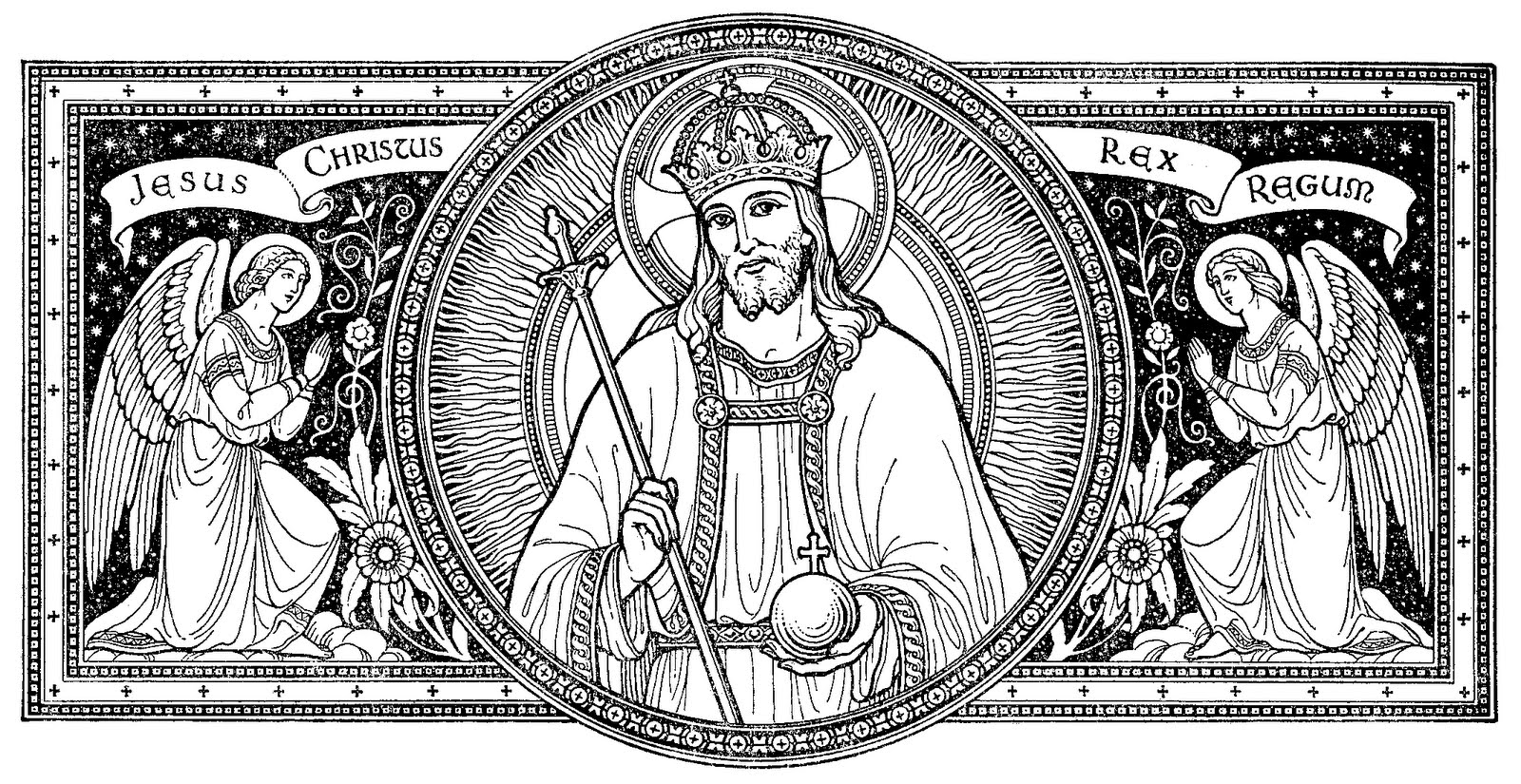
Christus vincit! Christus regnat! Christus imperat!” “Christ conquers! Christ reigns! Christ commands!” These words begin the great Christ the King hymn we will sing at the offertory today. The feast of Christ the King was brought into being in 1934 by Pope Pius XI in his encyclical Quas primas. Why would he do this in that particular year?

1934 was a fateful year in the world. Adolf Hitler had been in power as dictator for a year, and had established his complete authority over Germany. In the Soviet Union, Stalin had just completed the first Five-Year Plan to turn his country into a modern super-power, at the cost of uncountable lives and terrible economic and agricultural disaster, which left millions starving to death in a man-made famine. In Mexico, a terrible civil war was raging, leading to a tyranny which was hostile to the Church and persecuted and killed priests and lay people alike. Those who have read Graham Greene’s novel The Power and the Glory will be familiar with this. 

In the East, both Japan and mainland China were likewise in chaotic situations and slipping into an authoritarianism controlled by powerful military interests. In all these cases, governments were taking on an authority and total power of an almost infallible character for themselves. The western democracies were either feeble in their response, as in Europe, or withdrawing from involvement in the world, as in the case of the United States.

Against this, Pius XII asserted the real and ultimate source of authority in the world, the Kingship of Jesus Christ, as the Irish constitution has it, “from Whom is all authority and to Whom, as our final end, all actions both of men and States must be referred.” All these dangerous movements which had arrogated such power to themselves are, in fact, subject to the Lord Jesus Christ. They rule by his authority, and are accountable to Him for all that they do, whether they acknowledge Him or not.

The readings allocated for today’s feast emphasise all this. In the first, the prophet Daniel has a vision of a “Son of Man” (a divine figure of human appearance) intervening directly from heaven in the affairs of human beings. In the second, Jesus appears, as the figure in Daniel, a heavenly being of unlimited authority and unstoppable power. Linking to this figure, who has been “pierced,” is the gospel, in which Jesus is presented as the Suffering Servant of God, the “Lamb of God who takes away the sins of the world,” whose authority is not of this world, but something greater and higher, despite his apparent powerlessness and helplessness in the hands of Pilate, who represented the apparently unstoppable power of the Roman Empire.

We should note that in the gospel Jesus speaks, not of his kingdom, but of his “kingship” or reign. Jesus is King, not of place or time, but wherever human beings have responded and turned to Him for salvation. Where He is loved and obeyed, where his power is uppermost in human hearts; this is his kingship. There is no earthly power, from the Roman Empire of his day to the powers-that-be and colossal economic forces in the contemporary world, that can defeat Him. And while it sometimes seems as though the victory is theirs, as long as He reigns in our hearts, the ultimate victory is his; and ours. To this hope we must all cling, no matter what comes our way; for we know that to Him belongs the victory and glory and the power, for ever and ever. “Christ conquers! Christ reigns! Christ commands!”

Fr Phillip

Friday, 20 November 2015

REMEMBRANCE DAY AT CBC

The Cenotaph after the laying of wreaths.
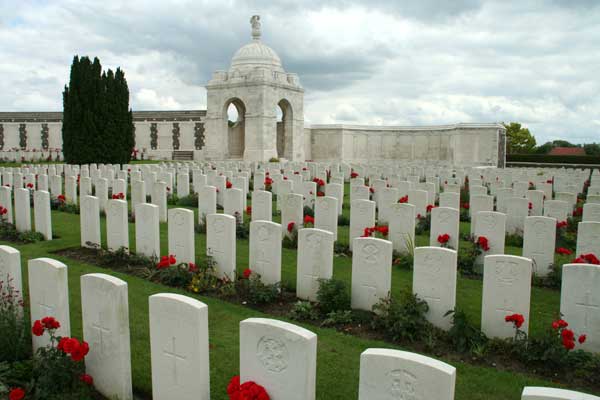
On 11th November, St Joseph’s CBC celebrated Remembrance Day. The celebration is held in honour of all the deceased of the school. Its triple Cenotaph in front of the main building incorporates a monument to pupils, one to teachers and another to those who died serving their country in the Armed Forces. 

The celebrations included a votive Mass for All Souls, celebrated by Fr Phillip Vietri C.O., followed by a short memorial service at the school Cenotaph in which wreaths were laid and an extract from Laurence Binyon’s For the Fallen read by Mr Vincent Daly, a teacher of long standing at the school. 


With proud thanksgiving, a mother for her children,
England mourns for her dead across the sea.
Flesh of her flesh they were, spirit of her spirit,
Fallen in the cause of the free.

Solemn the drums thrill: Death august and royal
Sings sorrow up into immortal spheres.
There is music in the midst of desolation
And a glory that shines upon our tears.

They went with songs to the battle, they were young,
Straight of limb, true of eye, steady and aglow.
They were staunch to the end against odds uncounted,
They fell with their faces to the foe.

They shall grow not old, as we that are left grow old:
Age shall not weary them, nor the years condemn.
At the going down of the sun and in the morning
We will remember them.

They mingle not with their laughing comrades again;
They sit no more at familiar tables of home;
They have no lot in our labour of the day-time;
They sleep beyond England's foam.

But where our desires are and our hopes profound,
Felt as a well-spring that is hidden from sight,
To the innermost heart of their own land they are known
As the stars are known to the Night;

As the stars that shall be bright when we are dust,
Moving in marches upon the heavenly plain,
As the stars that are starry in the time of our darkness,

To the end, to the end, they remain.

Monday, 16 November 2015

REFLECTION FOR THE THIRTY THIRD SUNDAY OF ORDINARY TIME

During the 1960s, group sharing became a common practice at conferences and “workshops”. The idea was taken up with gusto. Under the guidance of a “facilitator”, the discussion was carried out in such a way that everyone was able to contribute. Someone was chosen to “report back”, preferably with the “findings” of the group written up with multi-coloured Koki chalks on large sheets of blank newsprint specially provided for the purpose. The method generated course…after course…after course. And in the end, they all started to look exactly the same, whether the topic was the Holy Trinity or Icelandic cookery.

Why was this? It was because the method began to become more important than the actual discussion itself. When one came back one was frequently handed an “evaluation  sheet”. The questions on this “evaluation sheet” never asked what new insights or creative thoughts were produced by the group. This was presumed. In fact, the content of the discussion never seemed to matter much at all. What was important was whether everyone had had ample opportunity to express themselves, whether or not the “facilitator” had been encouraging of the quieter members, whether the discussion had been “non-judgemental” or “non-threatening”; and so on. What was important was that the method itself had been applied. Whether or not the method had engendered any meaningful discussion or conclusions seemed to be a non-question. It was all about the method, rarely about the content.

Jesus often has a similar problem with his co-religionists. For the Jewish people, with their lofty and unapproachable understanding of God, the Law was their only means of drawing near to him. Loving and obeying the Law was the bridge that drew one close to God. But the Law became so important  that it started to replace God in the religion of Israel. What was important was not whether the Law drew one closer to God so much as whether the Law in itself was applied. In fact, just as people who used the group-discussion method all too often showed signs of feeling superior simply because they were using the method, so did many of the Pharisees feel morally superior simply because they obeyed the Law.

Christians can also be guilty of this. We are privileged to live in a relationship with the Lord Jesus, risen from the dead. It is in this personal, living relationship with Jesus that our salvation lies. But how often do we try to feel superior by counting up the obligations we have fulfilled. By attending superior liturgies. By doing things rather than loving God and one another. What is important is not what we do for God, but how much we love him and offer our lives to him. He himself gave up everything for us.

It is God whom we love and serve, God as he has revealed himself to us in and through the living Lord Jesus. We need to give ourselves to him completely, to offer up our lives to him in service. But mostly, to let all things be paths to him, not ends in themselves. To him be glory for ever and ever. Amen.

Fr Phillip

Friday, 6 November 2015

REFLECTION ON THE THIRTY SECOND SUNDAY OF ORDINARY TIME

ON BEING “THERE” FOR GOD

One of the problematic symptoms of modern Christianity is how often we unthinkingly and uncritically absorb the clichés of the modern secular world into our faith, even when these clichés are at odds with what we believe.

The first of these is “being there for us.” How many school pupils I have taught speak of their parents as “being there for us” whenever they want or need those parents. It is used of God, too. “God is always there for us.” The mind-set of this, if you think about it for even a moment, is that we get on with our busy lives while God sits around waiting for us to call on him when we have need of his services, rather like a love-sick boy or girl sitting next to the telephone, waiting for their significant other to call. Gone is the idea of living a life of service to God; gone, the idea of his constant presence in our lives, making us holy, guiding, protecting. God is merely there to fill in the gaps we can’t fill in for ourselves.

It would be truer to say that we need to be “there” for God. We need him rather than the other way round. We need to be aware of him, to await his presence in our lives. As Elijah the prophet said, “O rest in the Lord; wait patiently for him, and he will give thee thy heart’s desire. Commit thyself unto him and trust in him.” Seen in this light, nothing could be less true than that God is “there for us” in the modern meaning. Only in the sense that he loves us and is ever-present in our lives is this true. But it must not obscure the essential fact that it is we who must constantly seek his presence in our hearts.

Another cliché that we often absorb uncritically is the desire that other should “accept me for who I am.” This suggests that I am a static person who does not grow or change, and especially someone who does develop, “become,” so to speak. “Take me or leave me as I am; I’m not going to change,” is the eventual outcome of this. The fact that we have potentiality that must develop, sins that must be forgiven, is pretty much excluded by this line. But we are in a process of becoming what God wants us to become, not remaining trapped in what we are now. To accept this secular idea is in effect to refuse to change, to grow into God’s plan for us.

Finally, we are taught to “believe in ourselves”. However we may qualify this, it always ends up making us the centre of our own little universes. “We believe in one God,” begins the Creed. And in God alone we believe; to believe in anything less is to worship a false God. We should certainly have confidence that the gifts God has given us are real, and that with his help, they can be developed into the fullness of their promise. This preserves the link between us and God. The modern clichés separate us from Him, and isolate us within our own little worlds. But this is not what God wants. That is why he sent the Lord Jesus into the world, that we might know Him and love Him, that we might be drawn into a deep relationship with God, who alone can unlock our full potential, who alone can make us become what we were created to become.

And so: let us be there for God. Let us accept that we need to become what He wants us to become. And let us believe in him, who has revealed himself to us through Jesus Christ, who died on the cross to take away our sins, and rose from the dead to give us life, with all our hearts and minds.

Fr. Phillip

Friday, 30 October 2015

REFLECTION FOR ALL SAINTS

“Judge not, that you will not be judged.” How often do we hear people saying that we must never judge others.” And how we misunderstand the meaning of this particular saying of Jesus! Jesus is talking to the leaders of his time, who were strict observers of the very complex Law of God, who regarded themselves as morally superior for keeping it in its entirety, and who looked down upon people who did not follow their very strict interpretation, Jesus included. In fact, they were not judging, but condemning their fellows.

Judgement is something quite different. The Greek word for a judge is dikaios, which comes from the word for righteousness. In English, the word judge means someone who justifies. When someone has committed a crime, he is brought before a judge, who decides on a penalty which will make peace between the offender and the society he has offended. In the language of an earlier era, when a man, say, had served six months in prison for burglary, he was said to have “paid his debt to society”. The purpose of legal judgement, then, is not to condemn, but to make peace, to reform, to save a man from himself.

This is the sense in which judgement is to be found in Christianity. We have all fallen short of the glory of God; we have all offended Him by sinning against Him. But God does not desire our punishment or destruction. He loves us, and wants us to come back to him with all our heart, in sorrow for sin. With God, judgement is for the purpose of salvation. As the old translation of the Second Preface for weekdays has it, “In love you created man, in justice you condemned him, but in mercy you redeemed him.” Notice the two terms surrounding justice: love and mercy. And there is not even any debt to be paid; the Lord Jesus paid the debt for all sins of all people in all times when he died on the cross as a sacrifice for sin. God’s purpose is summed up beautifully in the story of the women caught in adultery as told in John’s gospel: “Woman, has no-one condemned you?” “No-one, sir.” “Then neither to I condemn you. Go, and sin no more.”

The same applies to us. Paul warns us about condemning in Romans 8. But judging? If God did not judge us, then his mercy and forgiveness would be meaningless, since there would be nothing to forgive. Judgement is for the purpose of love and forgiveness. Do parents not judge their children when they do wrong? But they do not condemn their children; rather, it is a step on the path to goodness, to healing a broken relationship. We have to recognise when someone has gone wrong, if we are to be a means of their finding the right path. We often condemn without forgiveness, because we want to be rid of a person or institution in our lives. To repeat; judgement is not condemnation, but a step on the road to peace and forgiveness. And it is not the first step, either. It is merely the middle step. We begin with love; we end with mercy. In between, whether about ourselves or another, judgement is merely a recognition that something is wrong, joined to a desire to put things right. And the first person we should judge is – ourselves! God loves us, and wants to show mercy towards us. This is how we should be, too. Let us put aside condemnation, and seek the good of each other in love. Then everything else will fall into place.

Fr Phillip